Overview
In the manufacturing and engineering industry, precision is non-negotiable. Threaded components are widely used in machinery, automotive, aerospace, and mechanical applications. Any minor deviation in thread dimensions can compromise the performance and safety of the final product. Thread gauges are essential tools for checking the accuracy of threaded parts, ensuring that every component meets exact specifications. These gauges help maintain consistency, improve efficiency, and reduce errors during production.
What Are Thread Gauges?
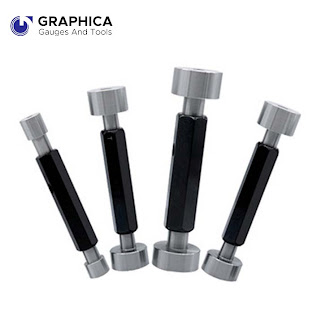
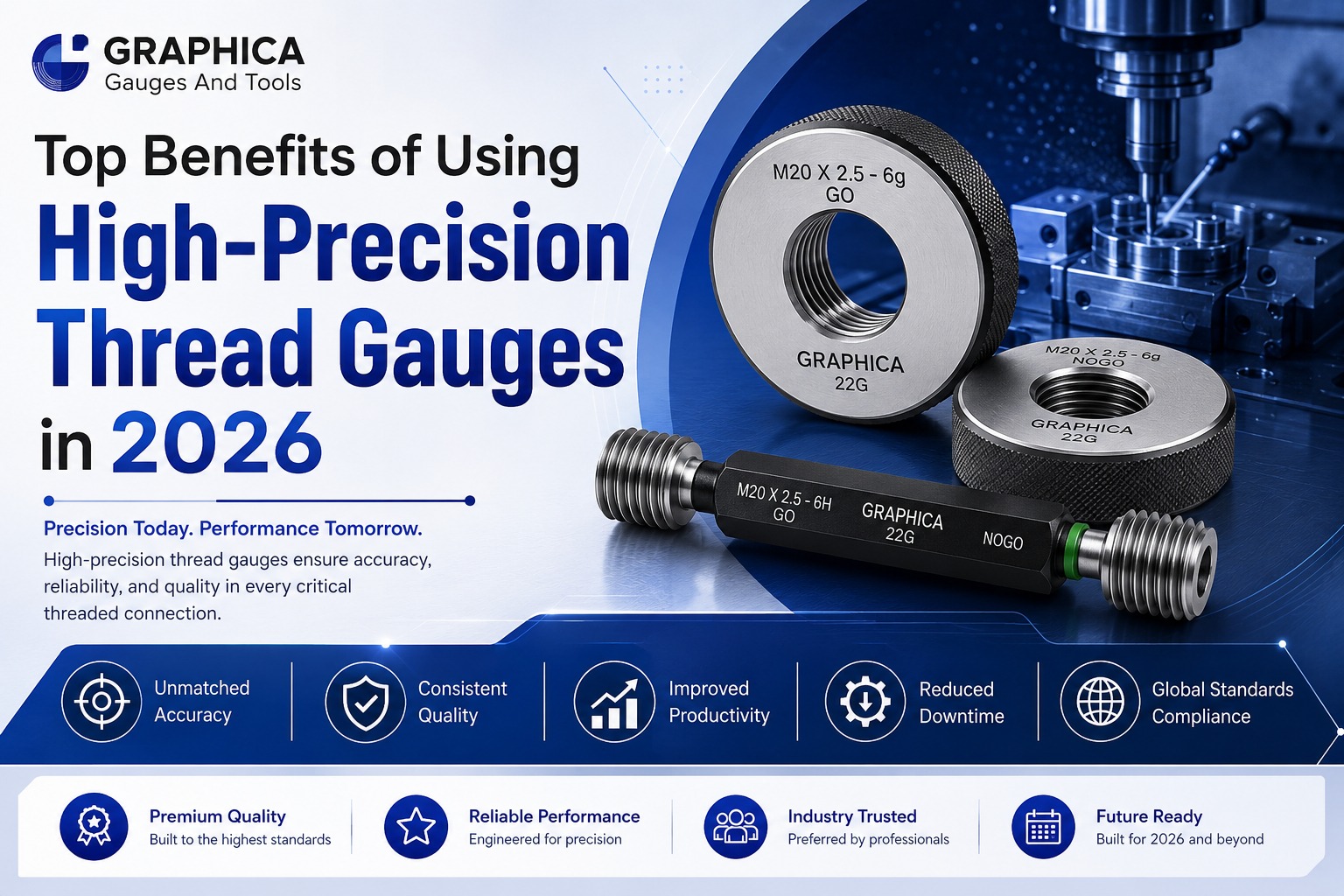
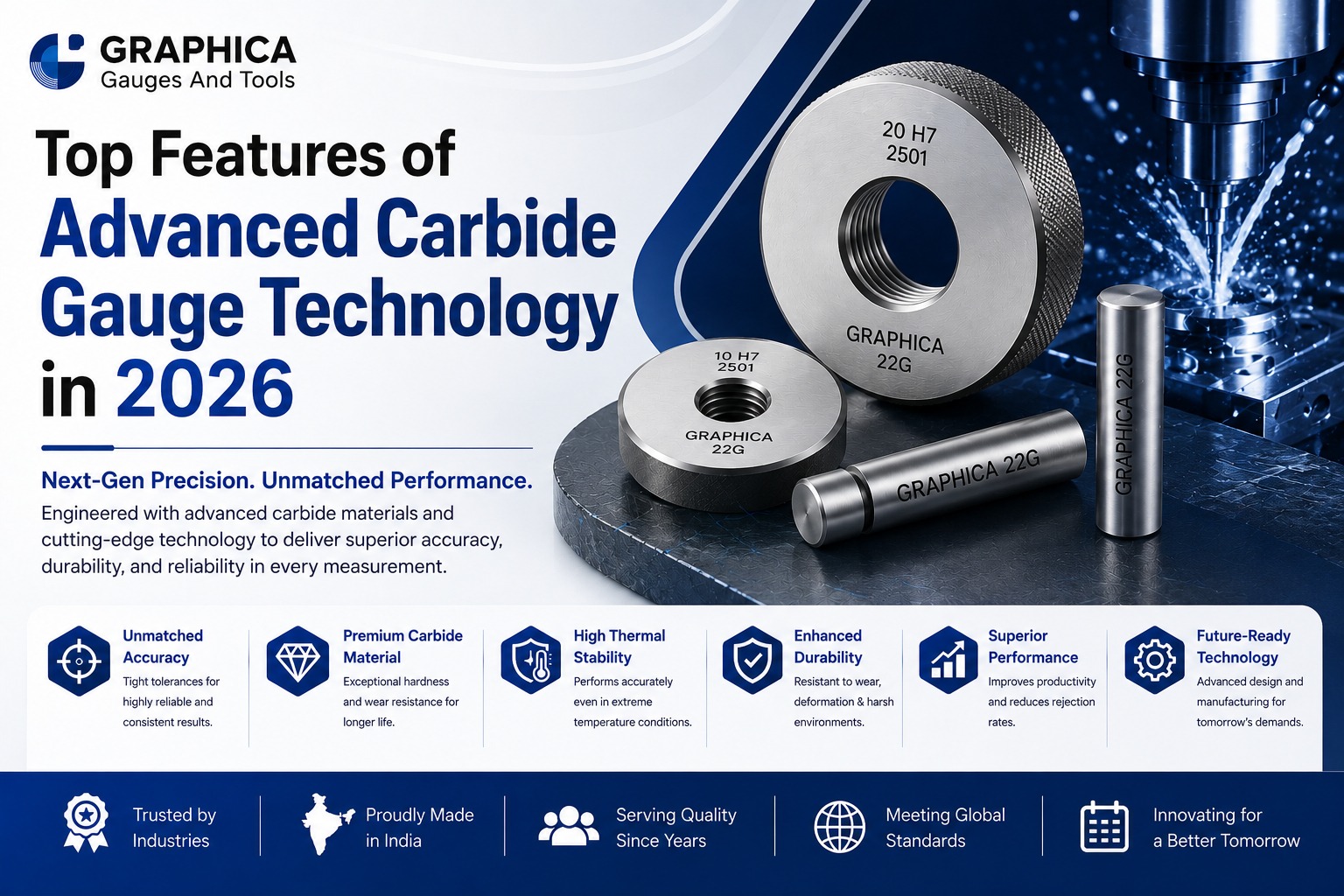
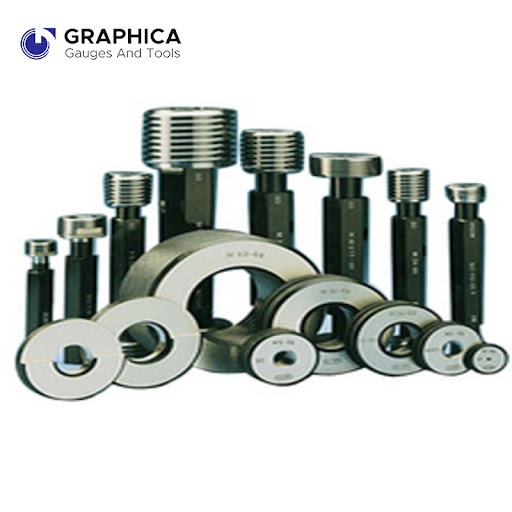
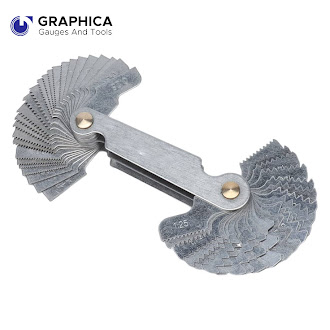
Thread gauges are precision tools used to measure the pitch, diameter, and form of threaded components. They help verify whether threads on bolts, screws, and nuts conform to the required specifications. Common types of thread gauges include go/no-go gauges, plug gauges, ring gauges, and adjustable gauges. Thread gauges ensure that parts fit together correctly and function reliably. They are manufactured according to international standards such as ISO, DIN, and ANSI, allowing for universal compatibility across industries. Using thread gauges reduces the risk of defective assemblies, improves product quality, and ensures the safety and durability of mechanical systems.
Why Choose High-Quality Thread Gauges
Choosing high-quality thread gauges is critical for any manufacturing process. Here’s why:
- Accuracy: High-quality gauges deliver precise measurements, eliminating errors and ensuring the reliability of threaded components.
- Durability: Made from premium materials, these gauges withstand frequent industrial use without wear or distortion.
- Consistency: Reliable gauges maintain uniform performance over time, crucial for mass production.
- Compliance: Thread gauges adhering to international standards ensure products meet regulatory requirements
- Cost-Effectiveness: Investing in accurate gauges reduces rework, wastage, and downtime, ultimately saving money.
Benefits and Advantages of Using Thread Gauges
- Improved Product Quality: Properly measured threads guarantee components fit and function perfectly.
- Reduced Errors: Minimizes mistakes during production, resulting in fewer defective products.
- Time Efficiency: Quick and accurate measurements speed up the production process.
- Material Savings: Accurate gauging reduces scrap and material wastage.>
- Long-Term Reliability: Durable gauges reduce replacement costs and improve operational efficiency.
- Safety: Ensures mechanically safe assemblies, particularly in critical applications like aerospace or automotive.
By integrating thread gauges into quality control processes, manufacturers can achieve higher precision, reduce production errors, and meet the expectations of their customers consistently.
Conclusion
Thread gauges are indispensable for any industry that relies on threaded components. Using high-quality gauges ensures precise measurements, better product quality, cost savings, and compliance with global standards. Investing in reliable thread gauges is a step toward efficiency, accuracy, and excellence in manufacturing. For manufacturers and engineers, these precision tools are essential for creating products that meet the highest standards.